Renter-Friendly Air Quality Improvements
Renters cannot install whole-house filtration or touch the building’s systems. The most effective indoor air quality improvements for apartments require none of that.
Renters work under real constraints. Permanent modifications are off limits, and landlord approval is required for anything that might affect the building. The starting point is whatever the unit provides, from a newly renovated apartment in a modern building to an older one with aging HVAC and decades of accumulated occupant emissions. The good news is that the most impactful improvements need no permanent installation and no landlord approval.
The framework for renter air quality improvement is: portable filtration for the air itself, behavioral changes for the primary pollution sources, and reversible modifications at entry points. Each of these costs less and requires less effort than most renters expect, and the combination produces a meaningfully cleaner indoor environment.
What Renters Can Do Without Landlord Approval
Portable HEPA air purifiers require no installation, leave no marks, and move with you. They are the highest-impact single investment a renter can make for indoor air quality and are entirely within the scope of normal renter modifications. A portable purifier running continuously in the bedroom and main living area addresses the airborne fraction of the allergen, dust, and pollution problem throughout the tenancy.
Draft excluders under exterior doors and around drafty windows reduce infiltration of outdoor pollutants and smoke without requiring any permanent modification. Removable weatherstripping that attaches with adhesive is available at hardware stores and can be removed cleanly at move-out. Door draft snakes placed at the base of exterior doors are entirely removable and produce meaningful results in older buildings with significant gap infiltration.
HVAC filter upgrades are worth checking. If the apartment has an individual HVAC system or individual window units with accessible filter slots, upgrading to a higher MERV-rated filter (MERV-11 or MERV-13 where the system supports it) captures more particles from the air cycling through the system. This requires no landlord approval and the filter is simply replaced at move-out with a standard filter if desired. Central building HVAC systems managed by the landlord are outside the renter’s control.
What to ask about before signing a lease
If indoor air quality matters to you, a few questions before signing can save significant frustration. Ask whether the building has a no-smoking policy and how it is enforced. Ask whether the HVAC system is central or individual to the unit, and whether the unit exhausts to the outside or recirculates. Ask whether the carpeting has been replaced recently. Older carpeting in apartments absorbs years of accumulated allergens, off-gassing from cleaning products, and occupant emissions that cannot be remediated by cleaning alone. A unit with hard flooring or recently replaced carpet starts from a meaningfully better baseline.
Addressing Sources You Cannot Change
Old carpeting is a significant allergen reservoir that renters typically cannot replace. The practical workaround is vacuuming with a HEPA-equipped vacuum two to three times per week, which reduces the particle load that becomes airborne from foot traffic. Area rugs placed over the highest-traffic carpet sections can be washed periodically, removing the accumulated material from those sections. A HEPA air purifier running continuously captures the airborne fraction that vacuuming cannot reach.
Cooking with poor range hood ventilation is common in older apartments where the range hood recirculates air into the apartment or there is no range hood at all. Opening a window above or near the stove during and after cooking, and running any available exhaust fan at maximum speed, reduces how much cooking PM2.5 distributes through the apartment. An air purifier with auto mode positioned in the kitchen area responds to cooking spikes automatically.
Neighbors’ smoke and cooking smells can reach you through shared walls and shared HVAC, and cleaning products can drift under hallway doors. These are largely outside the renter’s direct control. Sealing the gap under the apartment entry door with a draft excluder reduces hallway infiltration. Running a HEPA purifier with activated carbon addresses the airborne fraction of whatever enters from neighboring units.
Recommended Air Purifiers for Renters
All three of these are portable, require no installation, and can be taken to the next apartment at move-out. Full comparisons are in the main small homes and apartments guide.
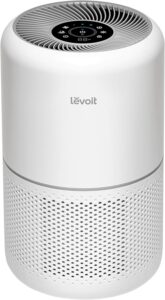
Levoit Core 300S
The Core 300S is the natural starting point for renters, low upfront cost, compact enough to fit anywhere, and light enough to move between rooms as needed. For a one-bedroom apartment, one unit in the bedroom and possibly a second in the main area is the most common renter configuration. The SP version’s auto mode is particularly useful for renters who want set-it-and-forget-it operation without thinking about manual adjustment throughout the day.
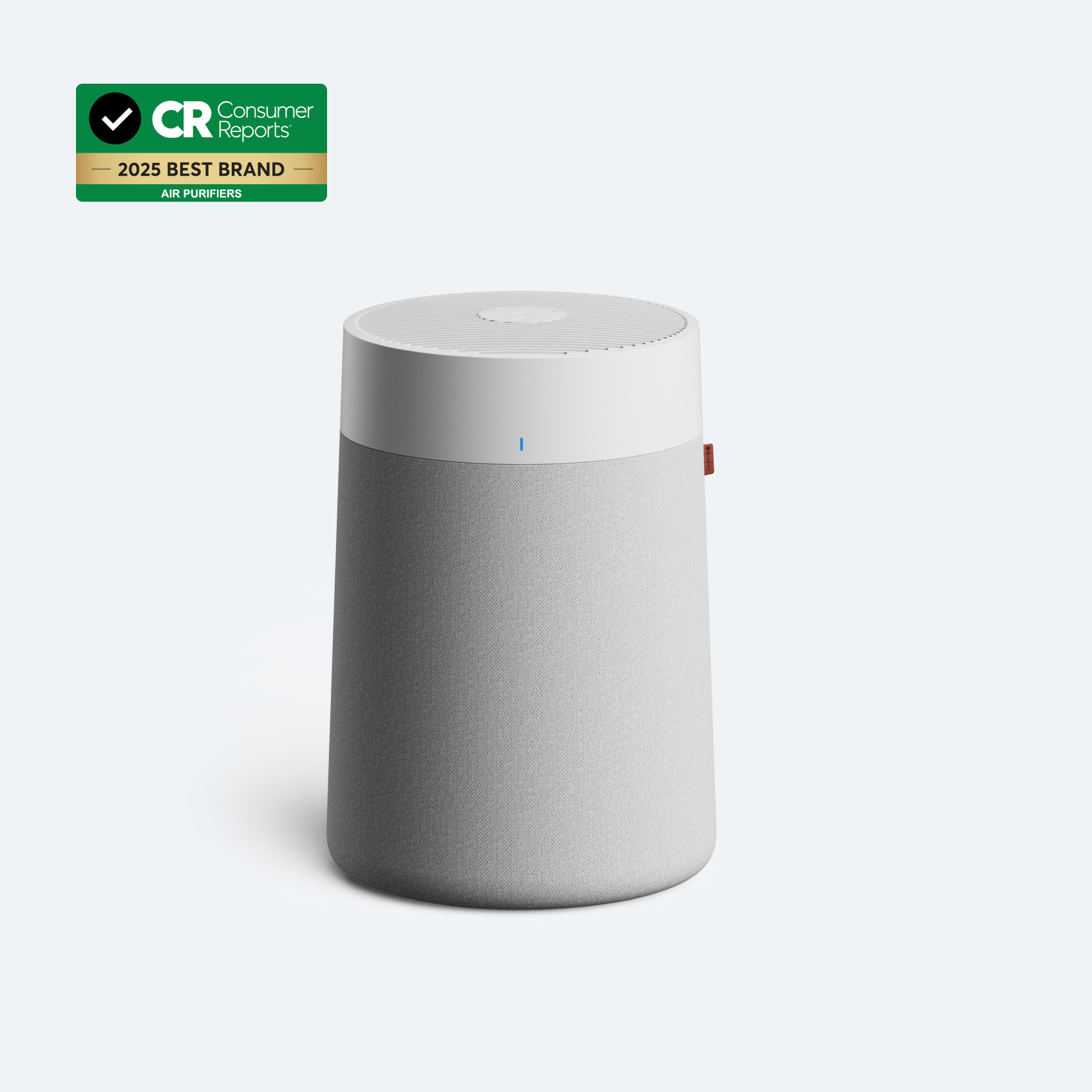
Blueair Blue Pure 311i Max
The Blue Pure 311i Max covers 439 sq ft with auto mode and is a strong single-unit solution for a one-bedroom apartment’s main living area. Wi-Fi and app control let you check air quality and adjust settings remotely, a practical consideration for renters who plan to run the unit continuously for years. The auto mode responds to neighbor cooking smells, cleaning products, and other variable pollution sources that are common in apartment living without requiring any manual attention.
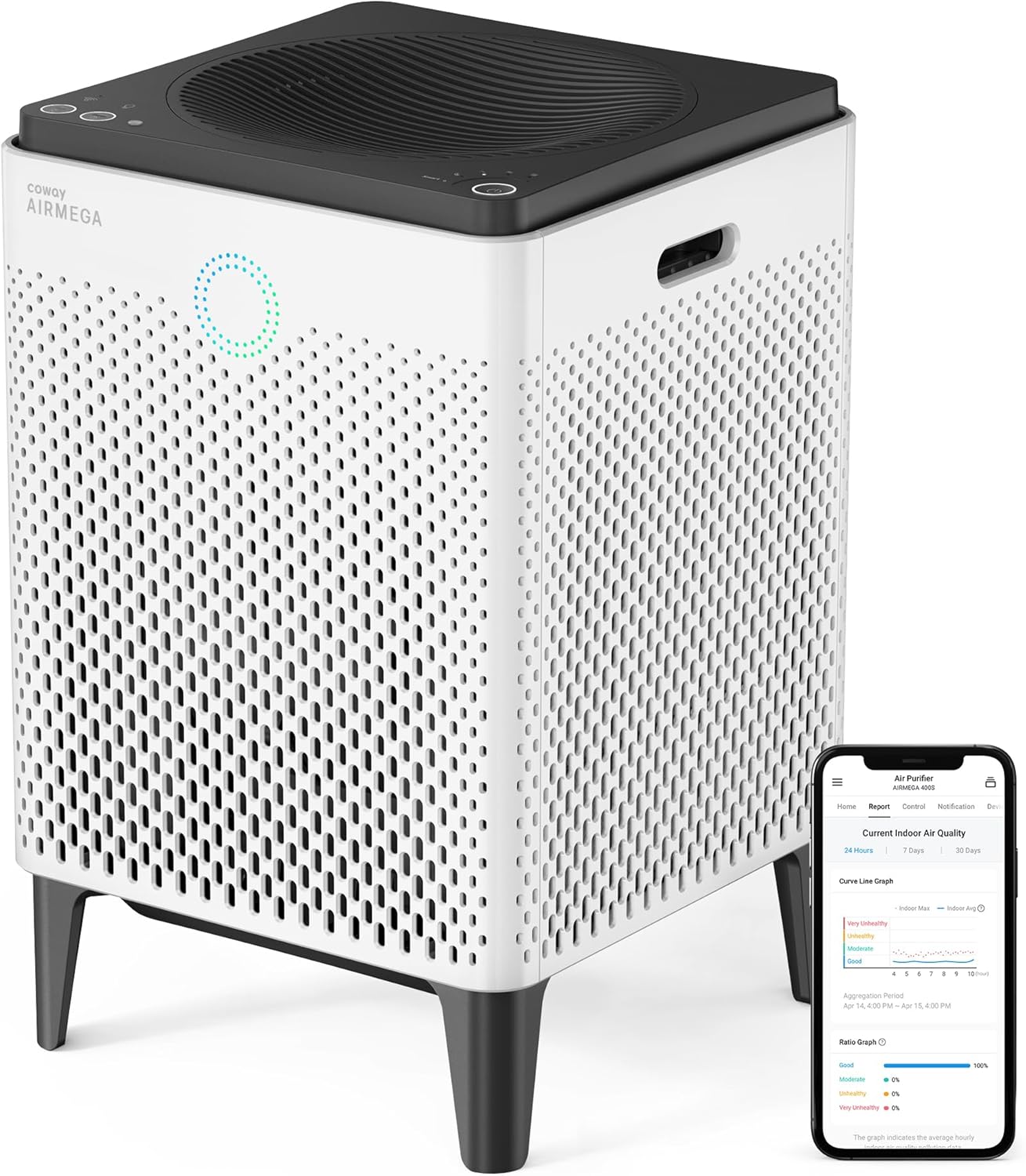
Coway Airmega 400S
For renters who move between apartments frequently or who plan to stay in one place for several years, the Airmega 400S’s 1,560 sq ft coverage provides flexibility to cover whatever size apartment comes next while maintaining strong performance in a smaller current space. The real-time air quality monitoring is particularly useful in older rental buildings where hidden sources like old carpeting, poorly sealed walls, or neighbor activities drive variable air quality throughout the day. One unit covers most apartment sizes from a central position.
Frequently Asked Questions
Can I request that my landlord improve the building’s HVAC filtration?
You can request it, and in some jurisdictions there may be habitability standards that require minimum ventilation performance. Whether a landlord will act on the request depends on the building, the lease terms, and local regulations. Documenting poor indoor air quality with a portable air quality monitor and making the request in writing creates a record if the issue escalates. For practical day-to-day improvement, portable purifiers that are entirely within your control are a more reliable path than depending on landlord action.
Will running an air purifier help reduce the musty smell in an older rental?
Partially. Musty smells in older rentals typically come from mold, mildew, or accumulated organic material in carpet and walls. These sources produce airborne spores and VOCs. A HEPA purifier with activated carbon captures the airborne fraction of both spores and some VOCs, which reduces the concentration of the smell in the air. However, if there is an active mold source in the building, air filtration only manages the symptom and does not fix the cause. Persistent musty odor despite running filtration is worth investigating with the landlord as a potential habitability issue.
Is it worth investing in a quality air purifier if I move frequently?
Yes, because the purifier moves with you. Unlike a home improvement that stays with the property, a portable air purifier is personal property that transfers to every subsequent rental. A quality unit purchased now will serve multiple apartments over its lifespan. The Core 300S and Blue Pure 311i Max are light enough to move easily. The Airmega 400S is larger but covers a wider range of apartment sizes, making it flexible across different future rentals.